Georgia Marine veteran shares how medical marijuana helped him rediscover the joy of …
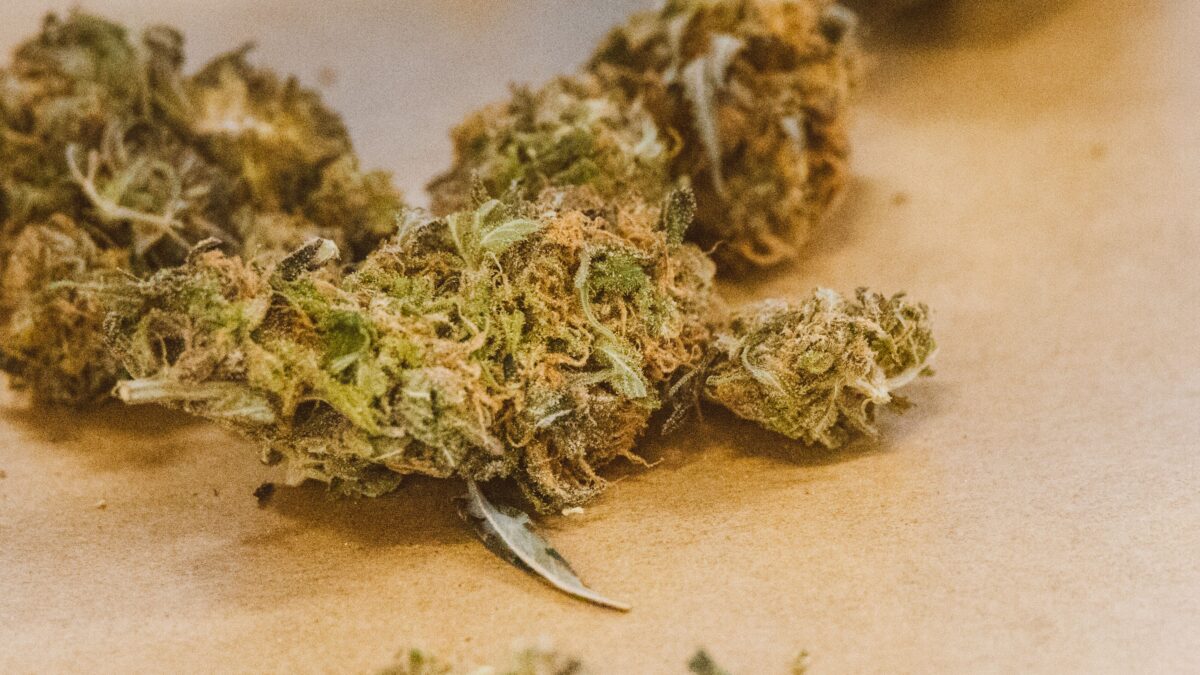
Georgia medical cannabis changes that took effect July 1 are helping some veterans, including retired Marine Jason Quinn, who lives with a mild traumatic brain injury, PTSD and chronic pain after a 2010 IED blast. Quinn says legal cannabis calmed him and restored his skateboarding. A certifying doctor says new flower vapes work fast but suit only some veterans.
Why it matters: Georgia's switch from low THC oil to a broader medical program gives registered patients more product choices, including vapes that act quickly. Doctors quoted here stress that cannabis is not for everyone, that a physician must evaluate patients before they buy, and that it does not replace counseling or existing prescriptions. Patients should expect screening, not easy access.
The background in Georgia
Georgia allows cannabis only for medical use. Recreational possession is illegal, and anyone without a medical cannabis card who possesses any form of marijuana violates state law.
Registered patients with one of 18 qualifying conditions and a Medical Cannabis Patient Registry card can buy and possess products totaling up to 12,000 mg of THC. They must keep them in the labeled pharmaceutical container and carry the card. Allowed forms include oils, tinctures, capsules, patches, lotions, ingestibles and vaporizer products, including flower for vaporization. Smoking and food edibles such as candies and cookies are not allowed. Vaporizing is barred for anyone 21 or younger, and patients may not vaporize in public places.
SB 220, the Putting Georgia's Patients First Act, renamed low THC oil as medical cannabis, allowed vaporizer products, set the 12,000 mg limit and broadened qualifying conditions. It has been in effect since July 1, 2026.
Home growing is not allowed, even for patients; only Commission-licensed producers may grow. Patients buy from Commission-licensed medical dispensaries and licensed independent pharmacies, and there are no adult-use stores. The card fee rises from $30 to $75 on Dec. 5, 2026. Georgia does not offer general reciprocity with other states' programs.
Cannabis laws in Georgia: the full guide
Reporting by cbsnews.com. Read the full story at cbsnews.com.
See how