From Medical Marijuana to Marijuana Everywhere | Psychology Today
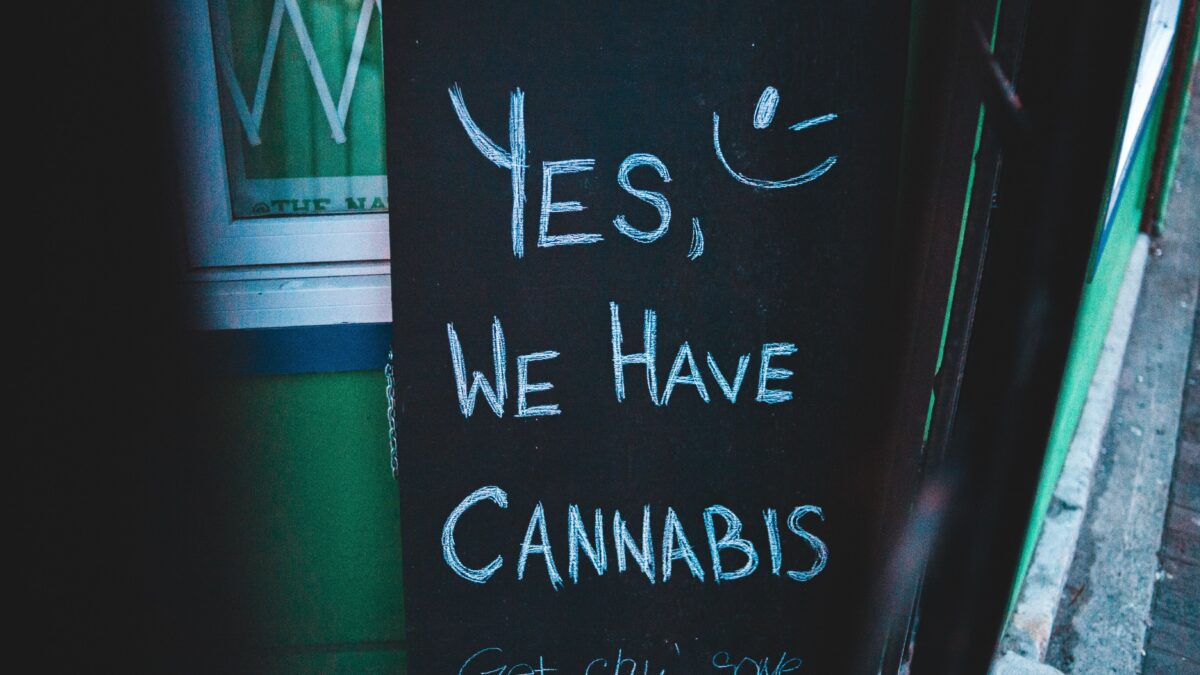
A Psychology Today commentary argues that commercial marijuana legalization has drifted far from its medical roots. It says today's high-potency products raise psychosis and cannabis use disorder risks, and that heavy users drive sales. It also cites an estimated $29.1 billion in 2025 US legal sales and compares the cannabis industry's marketing and lobbying to Big Tobacco's. Marijuana legalization is the focus.
Why it matters: The commentary reflects a growing public health argument that legal cannabis is a commercial product, not a medicine. For consumers and patients, it highlights the gap between dispensary products and tested medicines, and the potency trend. It also signals continued pressure for tighter marketing, potency and warning rules, though it is an opinion piece rather than a policy change.
The background in California
California started the modern medical movement with Proposition 215 in 1996, a point the commentary raises, and today it allows both medical and adult use. Adults 21 and older can possess, use and grow cannabis, and people 18 and older can use it medicinally with a physician's recommendation.
Adult-use buyers may carry 28.5 grams of cannabis and 8 grams of concentrate. Medical patients may have up to 8 ounces of dried cannabis, and more if a physician recommends it. Adults can grow up to 6 plants at home, though cities and counties may require permits or indoor-only growing. Home extraction with butane or propane is banned.
Purchases must come from retailers licensed by the Department of Cannabis Control, either storefront or delivery. The state's License Search Tool, updated daily, helps people find licensed shops.
Public use is not allowed in places like restaurants and bars, anywhere tobacco smoking is banned, or within 1,000 feet of a school, day care or youth center while children are present. Driving under the influence is illegal, with penalties matching alcohol-impaired driving, and open containers in a vehicle are barred.
Regulators are still active. Pesticide testing rules took effect October 1, 2026, and proposed changes to adult-use and medicinal license designations are open for public comment through December 14, 2026.
Cannabis laws in California: the full guide
Reporting by psychologytoday.com. Read the full story at psychologytoday.com.
See how